




May 21, 2026
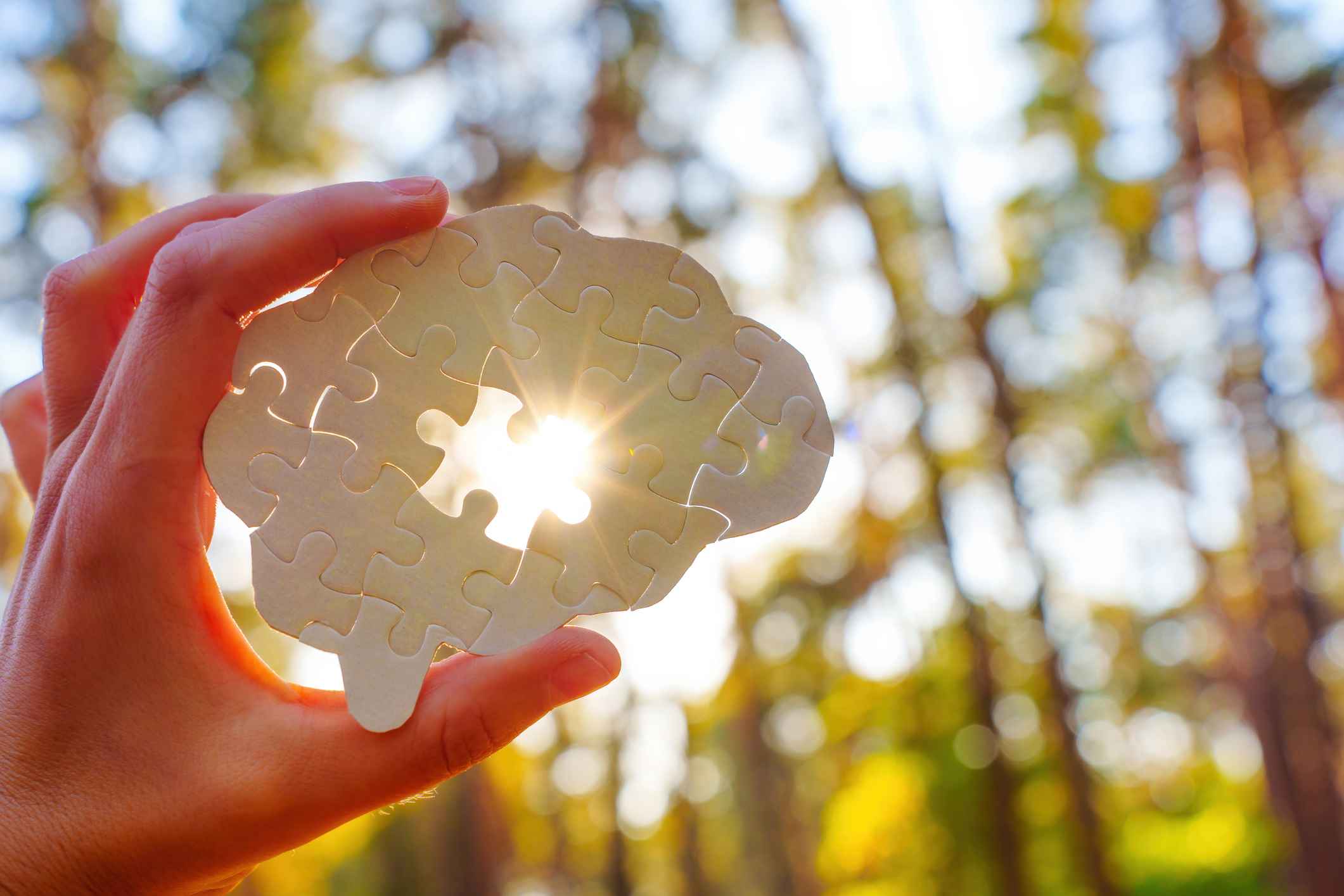
The Connection Between Mental and Physical Health
Mental health and physical health are deeply connected. Stress, anxiety, burnout, and other emotional challenges don’t just affect your thoughts and feelings; they can also impact your body in ways that are easy to overlook.
Many people focus on physical symptoms without realizing their mental well-being may be contributing to what they’re experiencing. Understanding the connection between mind and body can help you recognize when it’s time to slow down, seek support, and prioritize your overall wellness.
Here are five common signs your mental health might be affecting your physical health:
1. Constant Fatigue or Low Energy
Feeling tired after a busy week is normal. But if you constantly feel exhausted, even after getting enough sleep, it could be connected to your mental health.
Stress, anxiety, and depression can drain your energy levels and make everyday tasks feel overwhelming. Mental exhaustion often shows up physically, leaving you feeling sluggish, unmotivated, or mentally “foggy.”
If persistent fatigue is interfering with your daily life, it may be worth paying attention to both your physical and emotional well-being.
2. Changes in Sleep Patterns
Mental health challenges commonly affect sleep. Some people struggle to fall asleep because their minds feel constantly active, while others may sleep more than usual but still feel unrested.
Signs to watch for include:
- Difficulty falling asleep
- Waking frequently during the night
- Oversleeping
- Feeling tired even after sleeping
Sleep plays a major role in both mental and physical health, so disruptions may be your body’s way of signaling that something needs attention.
3. Frequent Headaches or Muscle Tension
Stress and anxiety can physically manifest in the body through:
- Headaches
- Jaw clenching
- Neck or shoulder tension
- Muscle aches
When stress levels remain high over time, the body can stay in a heightened state of tension, leading to ongoing discomfort. Many people don’t realize how much emotional stress they are carrying until it begins affecting them physically.
4. Digestive Issues or Appetite Changes
Your gut and brain are closely connected, which means mental health can influence digestion and eating habits.
Stress and anxiety may contribute to:
- Upset stomach
- Nausea
- Changes in appetite
- Digestive discomfort
Some individuals may lose interest in food during periods of emotional stress, while others may notice increased emotional eating or cravings. Paying attention to changes in eating patterns and digestion can provide important clues about your overall well-being.
5. Feeling Disconnected or Overwhelmed
Mental health struggles can sometimes make it difficult to stay engaged in daily life. You may feel emotionally drained, overwhelmed by small tasks, or disconnected from routines and relationships that once felt manageable.
This emotional strain can eventually impact physical health by affecting:
- Energy levels
- Motivation
- Daily habits
- Self-care routines
Ignoring emotional stress over time can contribute to burnout and make it harder to maintain healthy habits.
Prioritize Your Physical and Mental Health With Novus in Pennsylvania
At Novus, we are committed to supporting the overall well-being of the communities we serve through compassionate, inclusive sexual health care in a respectful and judgment-free environment.
With six convenient Pennsylvania locations in Bethlehem, Bridgeport, Doylestown, Lehighton, Reading, and Stroudsburg, our team is here to help individuals prioritize both their mental and physical health with confidential, patient-centered support.
Whether you’re seeking guidance, preventative care, or simply looking to take a proactive step toward better wellness, Novus is here for you. Contact us today to learn more or schedule an appointment.
Recent News

5 Signs It’s Time to Schedule an STI Test
July 23, 2026

Creating Supportive Recovery Spaces for LGBTQ+ Individuals
June 16, 2026

The Importance of Personalized Care in Our Medication Assisted Treatment (MAT) Programs
April 22, 2026
What Is U=U? Understanding Undetectable = Untransmittable
March 13, 2026

How is HIV Transmitted?
February 18, 2026

How TelePrEP Makes HIV Prevention More Accessible
January 15, 2026

Understanding HIV vs. AIDS
December 11, 2025