




October 1, 2026
What to Know Before Starting PrEP for HIV Prevention
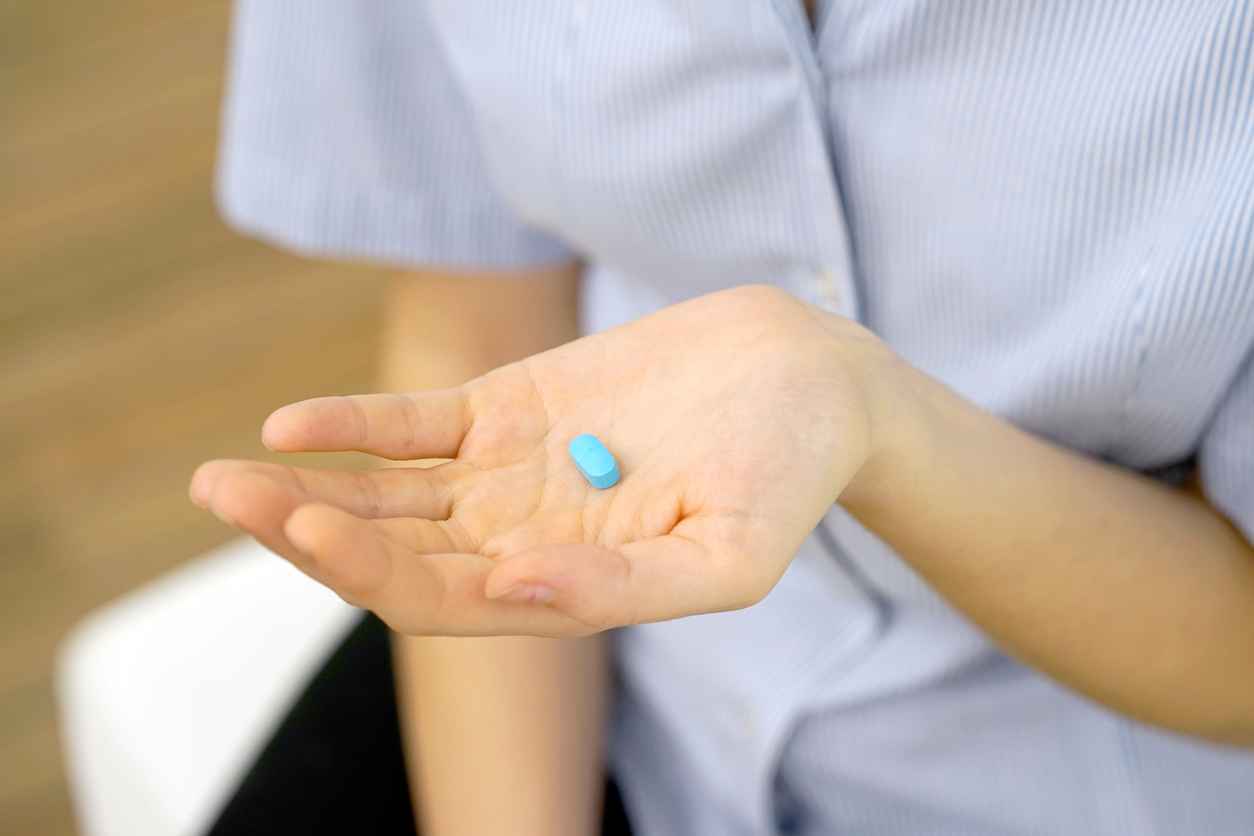
PrEP, or pre-exposure prophylaxis, is an HIV prevention option for people who do not have HIV. When taken as prescribed, PrEP can significantly reduce the risk of getting HIV through sex or injection drug use.
If you’re considering PrEP, you may have questions about how it works, whether it’s right for you, and what happens before you start. Here are five important things to know.
1. PrEP Is for HIV Prevention
PrEP is designed to help prevent HIV before an exposure occurs. It is different from PEP, which is medication taken after a potential exposure to HIV and needs to be started as soon as possible.
PrEP can be an important part of an overall HIV prevention plan. A healthcare provider can help you determine whether PrEP may be appropriate based on your individual circumstances.
2. You’ll Need an HIV Test Before Starting
Before beginning PrEP, you need to know your HIV status. Your healthcare provider will typically recommend HIV testing before starting and regular testing while you are taking PrEP.
This is important because PrEP is intended for people who do not have HIV. Staying up to date with testing helps ensure you receive the appropriate prevention or treatment care.
3. PrEP Does Not Prevent Other STIs
PrEP is highly effective at preventing HIV when taken as prescribed, but it does not protect against other sexually transmitted infections, such as chlamydia, gonorrhea, or syphilis.
Depending on your circumstances, condoms and routine STI testing may still be important parts of your sexual health plan. Your healthcare provider can help you understand which prevention strategies make sense for you.
4. Taking PrEP as Prescribed Matters
PrEP works best when taken as directed by your healthcare provider. Depending on the prescribed PrEP option, the medication schedule may differ, so it’s important to follow your provider’s instructions carefully.
If you have questions about missed doses, side effects, or taking your medication consistently, talk with your healthcare provider rather than trying to figure it out on your own.
5. PrEP Is an Ongoing Part of Your Healthcare
Starting PrEP isn’t a one-time appointment. Ongoing healthcare visits and testing are an important part of PrEP care.
Your provider can monitor your health, discuss HIV and STI testing, answer questions, and make sure your prevention plan continues to meet your needs.
Have Questions About PrEP? Turn to Novus.
If you’re considering PrEP and aren’t sure where to begin, you don’t have to figure it out alone. The team at Novus is here to answer your questions, discuss your options, and help you make informed decisions about your sexual health in a confidential, supportive environment.
Novus has six convenient locations throughout Pennsylvania, including Bethlehem, Bridgeport, Doylestown, Lehighton, Reading, and Stroudsburg, as well as our new location in Milton, Delaware. Schedule an appointment at the Novus location that works best for you and take the next step toward proactive HIV prevention.
Recent News
5 Signs It’s Time to Schedule an STI Test
July 23, 2026

Creating Supportive Recovery Spaces for LGBTQ+ Individuals
June 16, 2026

5 Signs Your Mental Health Might Be Affecting Your Physical Health
May 21, 2026

The Importance of Personalized Care in Our Medication Assisted Treatment (MAT) Programs
April 22, 2026
What Is U=U? Understanding Undetectable = Untransmittable
March 13, 2026

How is HIV Transmitted?
February 18, 2026
How TelePrEP Makes HIV Prevention More Accessible
January 15, 2026